Walls That Create Structure and Definition
Low Profile Retaining Walls in Colorado Springs for properties needing modest grade transitions or defined landscape beds
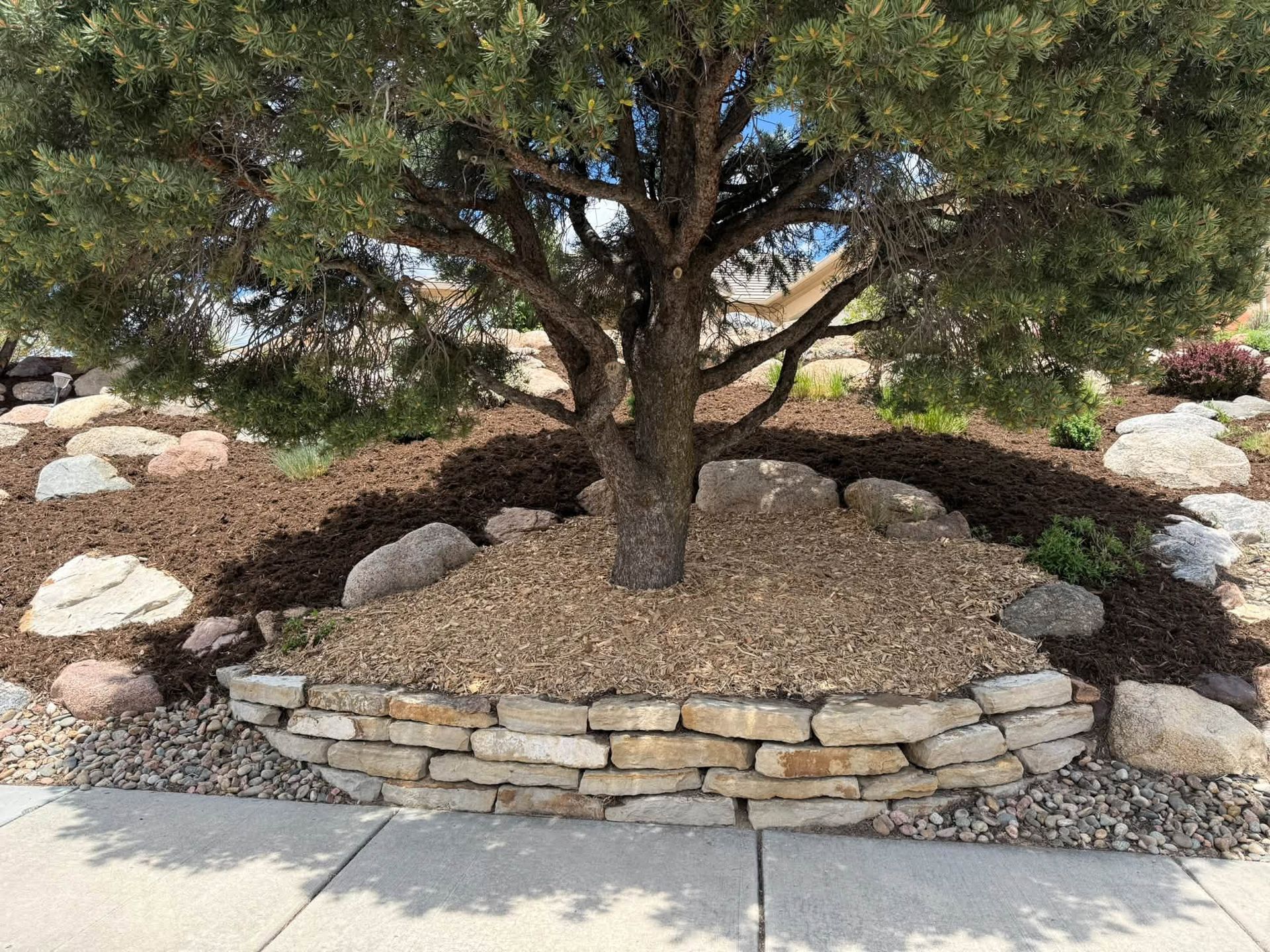
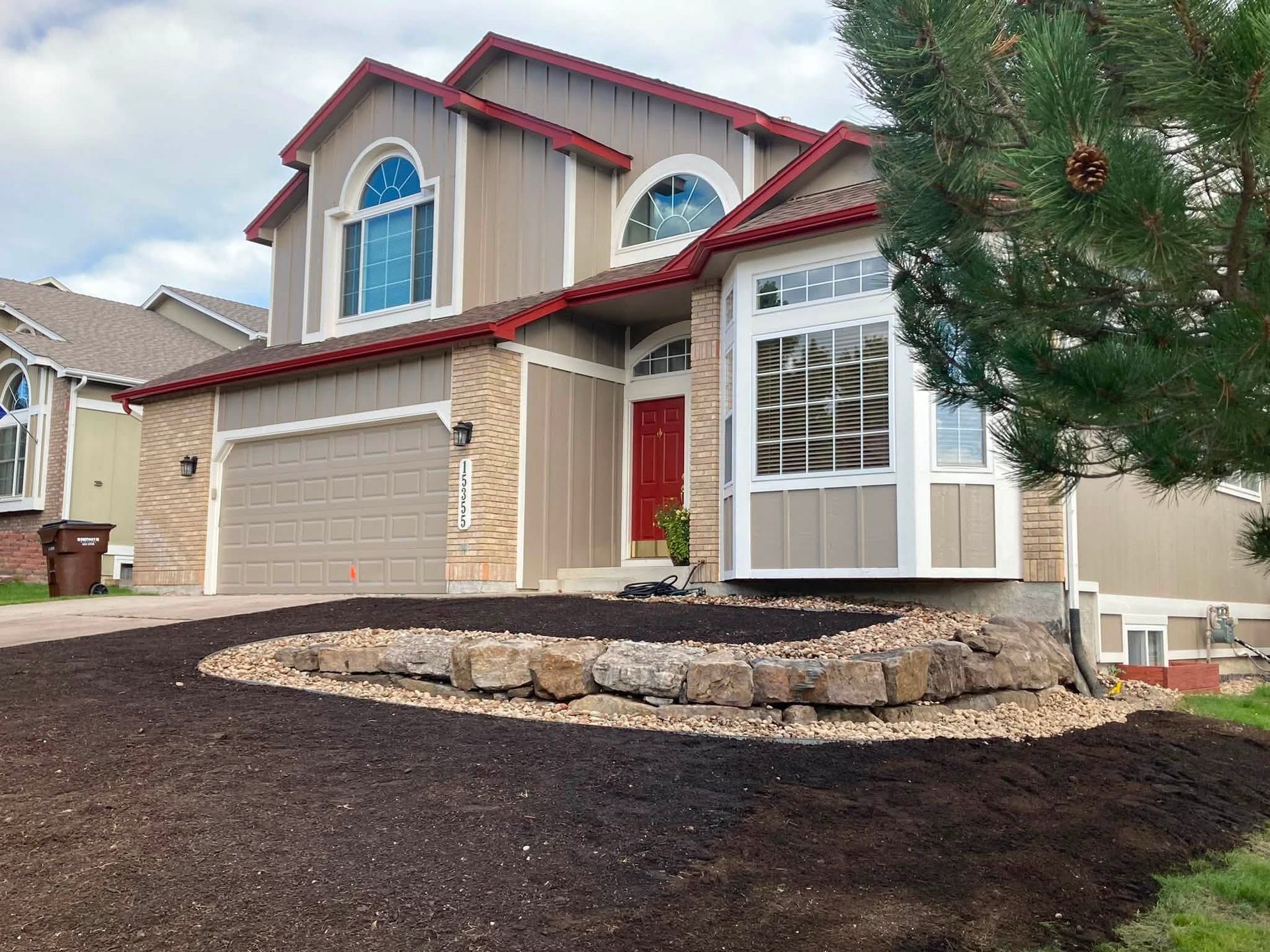
Low profile retaining walls built by Refresh Landscapes add functional structure to landscapes where grade changes create uneven planting areas, where beds lack clear boundaries, or where erosion disrupts the intended design. These walls handle modest elevation differences, define planting zones, and create visual separation between landscape elements such as turf, rock, and mulch beds. The installation process involves planning the wall's alignment and height, preparing a level base, selecting block or material appropriate for the application, and integrating the finished wall with surrounding landscape features.
The scope focuses on landscape walls rather than structural engineering applications, addressing situations where a few courses of block create the needed grade transition or bed definition. Walls are built to remain stable through seasonal weather changes common in Colorado Springs, including freeze-thaw cycles and soil moisture fluctuations.
Show the problem area during an estimate so the appropriate landscape solution can be discussed in detail.
How Low Profile Walls Address Grade and Bed Issues
Installation begins with excavating a level base trench, placing and leveling the first course of block, and building subsequent courses with proper alignment and slight setback to ensure stability. The wall's height is determined by the grade change that needs to be addressed, and the finished structure integrates with decorative rock, mulch, planting, or pavers depending on the surrounding landscape design.
Once the wall is complete, you'll notice level planting areas where slopes previously made bed maintenance difficult, clear visual separation between landscape zones, and improved soil retention that prevents erosion from washing material onto turf or hardscape. The wall also creates opportunities for tiered planting or raised beds that add depth and structure to previously flat or awkward spaces.
Low profile walls can be curved or straight depending on the design intent, and they often serve as borders for paver patios, transitions between different elevations, or backdrops for plantings that benefit from the added height and definition.

Common Questions About This Service
Property owners in Colorado Springs typically ask about height limits, material options, and how the wall will integrate with existing landscape elements. These answers clarify what low profile retaining walls can accomplish and what the installation involves.
What defines a low profile retaining wall?
Low profile walls typically range from one to three feet in height and are used for landscape applications such as defining beds, creating modest grade transitions, or adding structure to outdoor spaces rather than addressing significant elevation changes or structural load requirements.
What materials are used for these walls?
Concrete retaining wall blocks are common due to their durability, interlocking design, and ability to handle freeze-thaw cycles, though natural stone or other materials may be used depending on the desired appearance and site conditions.
How does base preparation affect wall stability?
A level, compacted base prevents settling and ensures that each course of block remains aligned as the wall is built, which is critical for long-term stability and appearance.
Can low profile walls be combined with other landscape features?
Walls often integrate with paver patios, planting beds, decorative rock areas, or mulch beds, creating a cohesive design that addresses multiple landscape needs in a single project.
What should I expect during the estimate process?
The estimate involves evaluating the grade change or bed definition needed, discussing material preferences, reviewing how the wall will connect to surrounding landscape elements, and determining the layout that best addresses the site's conditions.
Refresh Landscapes tailors wall design to the specific grade and bed challenges present on your property. Call (719) 649-8593 to arrange a site visit and review the areas where structure or definition would improve your landscape's function and appearance.