Outdoor Spaces That Look Intentional Again
Yard Refreshes in Colorado Springs for landscapes that appear overgrown, bare, or incomplete without full reconstruction
Yards that have not received focused attention over several seasons develop uneven turf, faded mulch, undefined bed edges, overgrown shrubs, and bare patches where plants have failed or irrigation has been inconsistent. A yard refresh addresses these visible issues through targeted updates—fresh rock or mulch placement, bed reshaping, plant additions or removals, selective trimming, sod patching, and hardscape edge definition—without removing functional elements or starting from bare ground. Refresh Landscapes evaluates which parts of a Colorado Springs property need replacement and which can be improved in place, creating a plan that prioritizes the most visible or problematic areas first.
The refresh process begins with clearing debris, cutting back overgrown vegetation, and defining bed lines using edging tools or installed borders. Soil in planting beds is loosened and amended if compacted or depleted, then topped with a consistent layer of mulch or decorative rock. Turf areas with significant bare spots or weed infiltration receive sod patches or overseeding depending on the season and extent of damage. New plants are added to fill gaps, provide height variation, or replace struggling specimens that do not match Colorado's climate.
Schedule a yard evaluation to identify which updates will produce the most visible improvement for your property.
What Proper Bed Definition and Material Placement Require
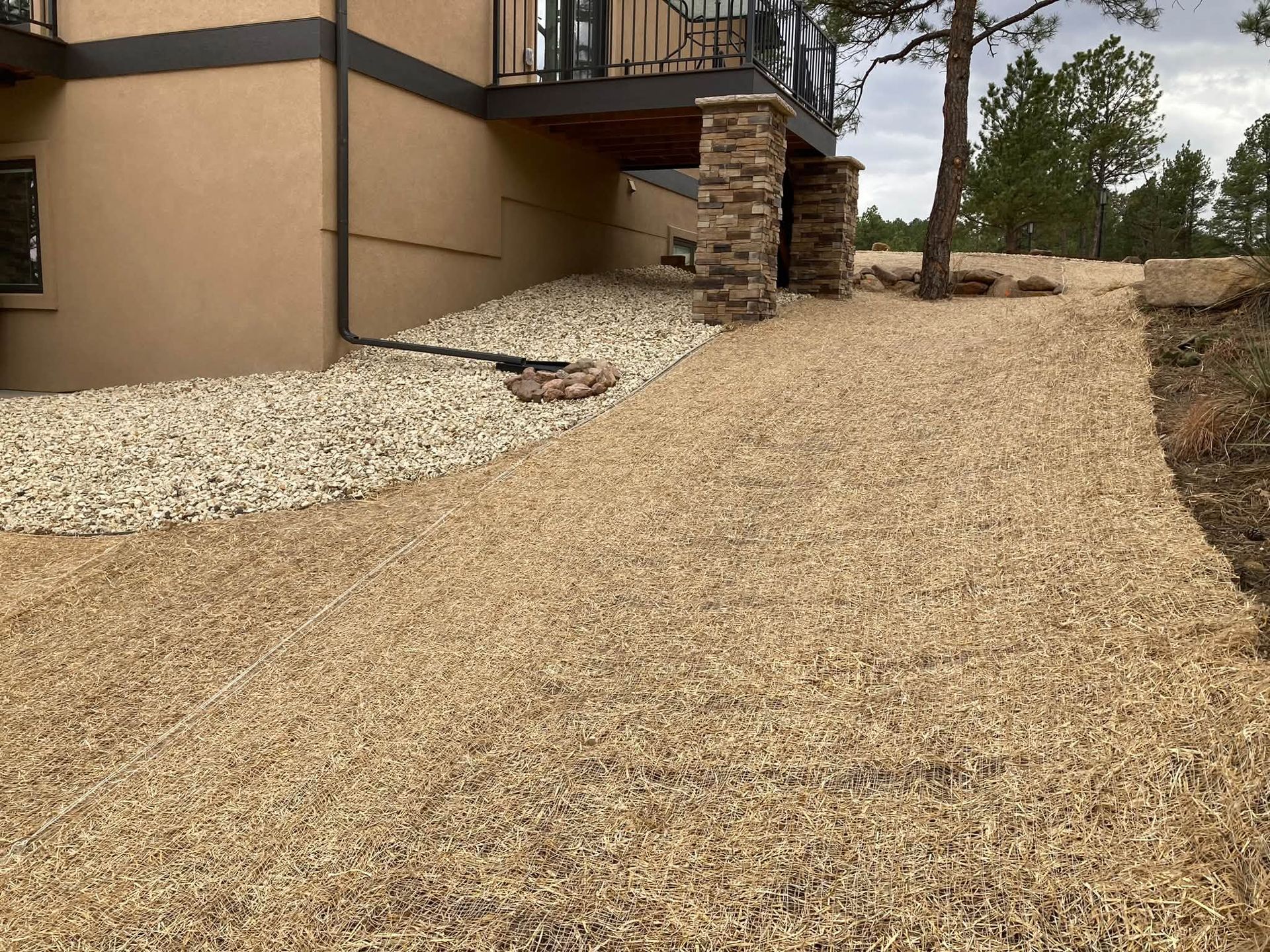
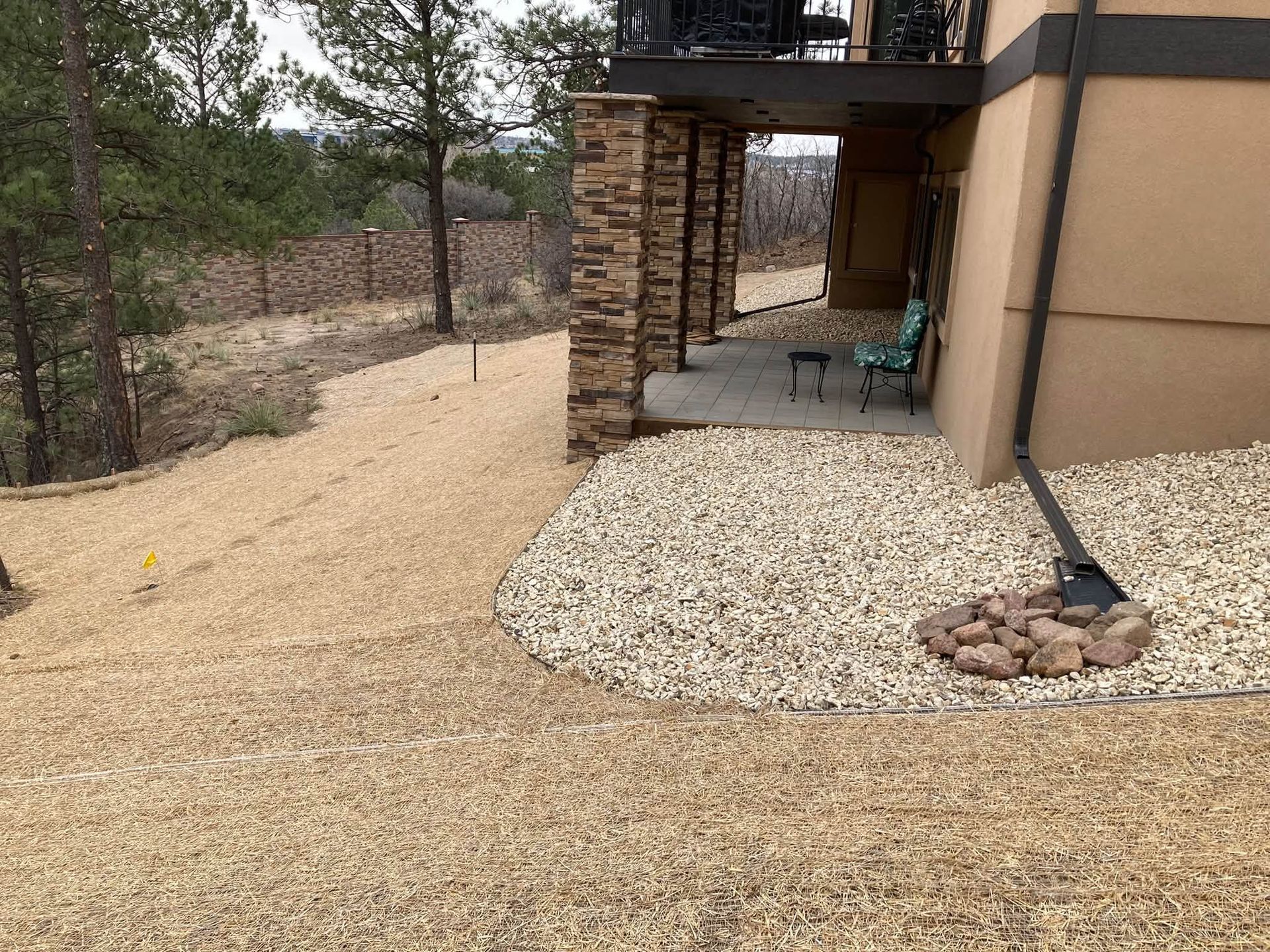
Bed edges are recut or bordered with steel, plastic, or stone to separate turf from planted areas and prevent grass from creeping into mulch or rock. Mulch or rock is spread to a depth of two to three inches, which provides a clean finished look without smothering plant root zones or creating material buildup against tree trunks and shrub stems. Refresh Landscapes uses wheelbarrows and hand placement to avoid compacting soil or damaging existing plants during material delivery.
After a refresh, bed lines appear sharp and continuous, mulch or rock color looks uniform across planted areas, and plants sit at appropriate spacing with visible soil or material around each root zone. Turf edges along walkways and driveways no longer encroach onto hardscape, and sod patches blend with surrounding grass as they establish over several weeks. Overgrown shrubs are reduced to proportional sizes that match the scale of nearby structures and plantings, improving sight lines and reducing shade over struggling turf.
Refresh projects work within existing irrigation layouts, though adjustments to sprinkler coverage or drip line placement may be recommended where plants have been added or removed. Customers who want additional changes such as pathway installation, lighting, or larger planting beds can discuss those separately, since refresh work focuses on improving what is already in place rather than introducing entirely new landscape features. Timing for yard refreshes depends on the specific updates planned—spring allows new plants to establish before summer heat, while fall offers moderate temperatures for sod installation and mulch placement.
Questions Before Starting Your Project
Yard refresh planning raises questions about scope, material choices, and how different improvements work together across Colorado Springs properties with varying conditions.
What is included in a typical yard refresh?
The scope depends on current landscape condition but commonly includes bed edging, fresh mulch or rock, shrub trimming, sod patching in bare turf areas, and planting additions where beds look sparse or unbalanced. Each project is customized based on what the property needs most.
How is the condition of existing plants evaluated?
Plants are assessed for health, size relative to available space, and whether they are appropriate for Colorado's climate and the specific sun and soil conditions in each bed. Struggling or oversized plants are removed, while healthy specimens are trimmed or relocated if they are crowding other plantings.
Can turf and planting beds be refreshed at the same time?
Yes, sod patching and bed updates are often completed during the same project visit. Turf work is finished first to avoid soil and debris from contaminating freshly placed mulch or rock, and irrigation adjustments are made to ensure both turf and planted areas receive appropriate water coverage.
How long does a refresh take to complete?
Small to mid-sized yards typically require one to three days depending on the number of beds, the extent of plant work, and whether sod installation or significant soil preparation is involved. Larger properties or those requiring plant removal and disposal take additional time.
When will updated beds and turf look established?
Mulch and rock provide immediate visual improvement, and trimmed plants show cleaner shapes right away. Sod patches green up within one to two weeks if watered properly, and new plantings fill in over the course of the growing season as roots establish and foliage expands.
Refresh Landscapes provides estimates based on an in-person review of your property's current state and the updates that will produce the most noticeable improvement. Arrange a consultation to walk through your yard and discuss refresh options tailored to your budget and timeline.