Designed Landscapes That Function Without Constant Watering
Water Wise Xeriscapes in Colorado Springs for properties aiming to reduce irrigation and maintenance demands
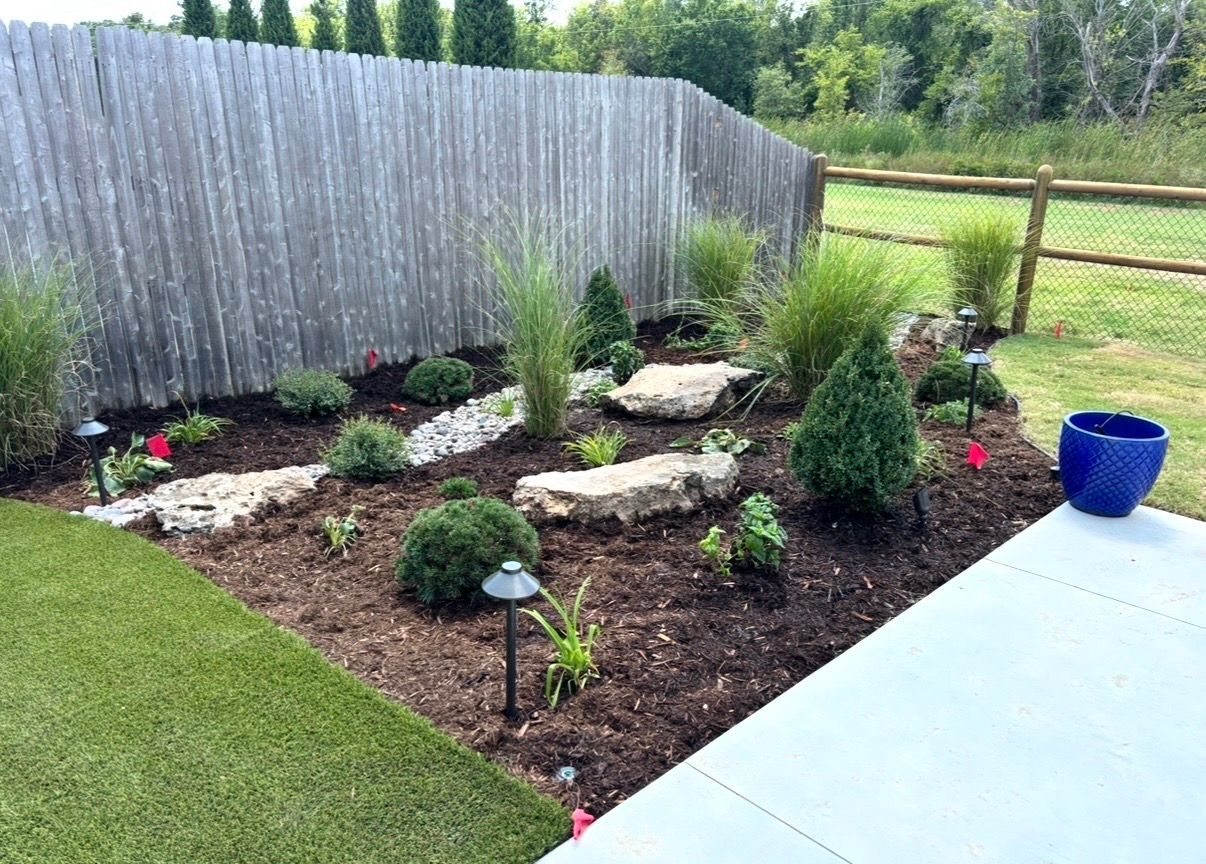
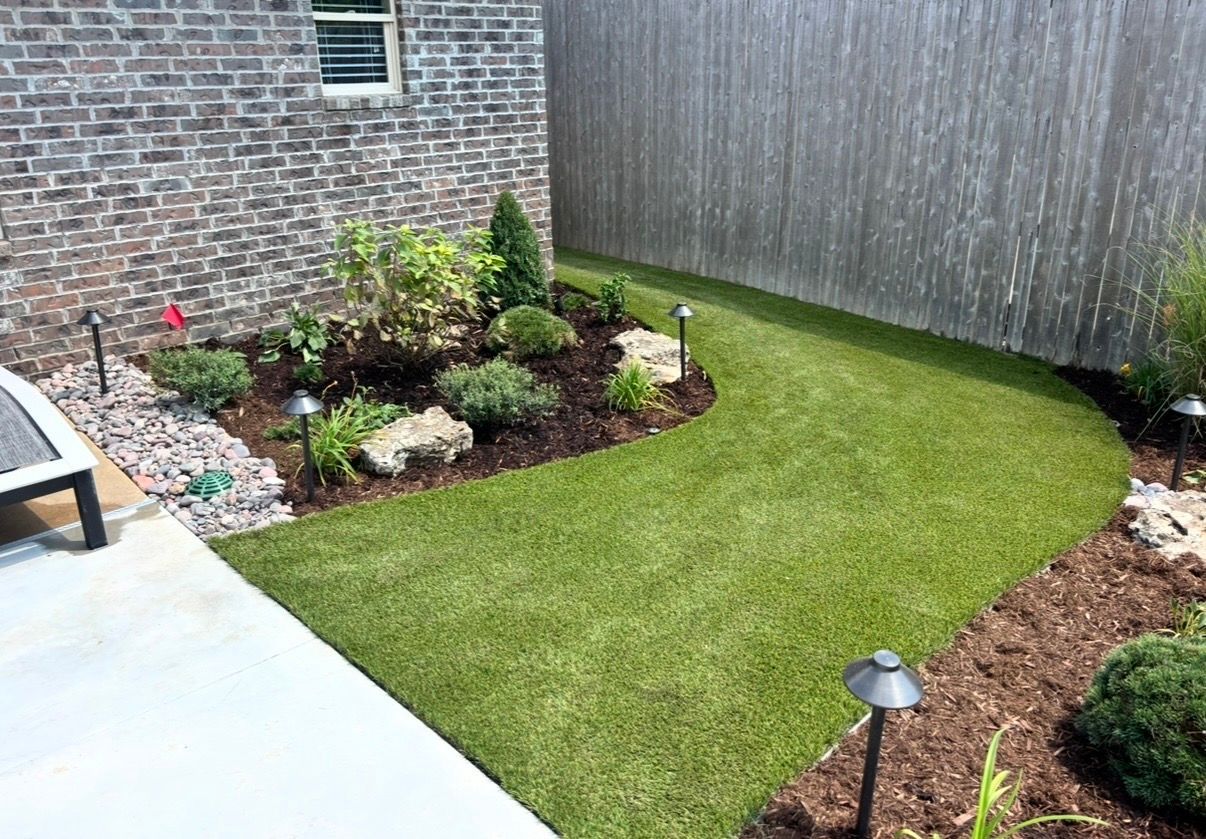
A xeriscape layout combines decorative rock, mulch, drought-adapted plants, and defined hardscape elements to create a landscape that functions during Colorado's extended dry periods without supplemental watering once plants are established. Refresh Landscapes designs xeriscapes around how property owners actually use outdoor spaces—whether that means preserving a small lawn area for activity, creating shaded seating zones, or directing foot traffic along gravel paths. The approach replaces high-water turf and struggling planting beds with intentional groupings of materials and plants that match the region's natural precipitation patterns and soil conditions.
Xeriscape design begins with an evaluation of sun exposure, slope, existing irrigation, and soil drainage across the property. Plants are selected based on mature size, cold hardiness for Colorado Springs winters, and water needs that align with infrequent deep watering rather than daily sprinkling. Rock and mulch are placed in layers to insulate soil, reduce evaporation, and define separate zones within the yard. Hardscape features such as flagstone paths, gravel courtyards, or low retaining walls add structure and help direct runoff toward planted areas during summer storms.
Schedule a property visit to discuss which outdoor spaces you use most and explore xeriscape design options tailored to your yard's layout.
Why Thoughtful Material Pairing Works in Dry Climates
Xeriscapes group plants with similar water needs into distinct zones, so irrigation can be adjusted or turned off entirely in rock-covered areas while remaining active in beds with newer plantings. Decorative rock surrounding the base of shrubs and perennials prevents soil from drying out during wind, while organic mulch in more shaded beds breaks down slowly and adds small amounts of organic matter to clay-heavy Colorado soils.
After installation, property owners notice that water no longer pools in low spots or runs off slopes before soaking in, because grading and soil amendments are completed during the xeriscape build. Plants selected for sun exposure and cold tolerance show consistent foliage color and growth rather than browning or wilting between waterings. Turf areas that remain are smaller and positioned where they receive use, while rock and planted beds handle visual interest along property lines, foundations, and unused side yards.
Xeriscape projects can be completed in phases, starting with the most visible or problematic areas and expanding as budget and priorities allow. Existing mature trees and shrubs are incorporated into the new design rather than removed, provided they are not species that require constant moisture or heavy fertilization. Customers who want seasonal color can add container plantings or designate small mulched beds for annuals without increasing water use across the entire yard.
Answers Before Planning Your Xeriscape
Xeriscape planning in Colorado Springs raises questions about plant selection, water requirements during establishment, and how different materials work together across a property.
What does a xeriscape look like after the first year?
Plants appear smaller than mature specimens at garden centers, since most drought-adapted species grow slowly and focus energy on root development rather than rapid foliage growth. Rock and mulch coverage looks clean and defined, and the overall appearance shifts from uniform green turf to varied textures and heights across different planting zones.
How much water does a xeriscape need after installation?
Newly installed plants require regular watering for the first growing season to establish root systems, typically deep watering twice per week rather than daily sprinkling. Once roots reach deeper soil layers, watering frequency decreases significantly, and established xeriscapes in Colorado Springs often survive on natural precipitation alone except during extended drought.
Can a xeriscape include any lawn area?
Yes, functional turf zones are often incorporated where children play, pets run, or seating areas benefit from soft ground cover. These smaller lawn sections are positioned intentionally and irrigated separately from rock and planted zones, reducing overall water use while preserving the spaces that actually get used.
What types of plants work in Colorado Springs xeriscapes?
Drought-adapted perennials, ornamental grasses, shrubs rated for USDA zone 5 or colder, and native species that tolerate temperature swings, intense sun, and alkaline soil. Plant selection also considers mature height and spread to avoid overcrowding as the landscape fills in over several seasons.
When is the best time to install a xeriscape?
Spring and fall installations allow plants to establish roots before temperature extremes arrive, though projects can proceed during summer if adequate watering is maintained. Soil preparation and hardscape work can be completed during any season when the ground is not frozen.
Refresh Landscapes develops xeriscape plans based on your property's current condition, budget, and long-term landscape goals. Contact our team to request a customized estimate and discuss how you use your outdoor spaces.