
Plants That Add Structure and Balance
Tree and Shrub Planting in Colorado Springs for landscapes needing shade, screening, or seasonal visual interest
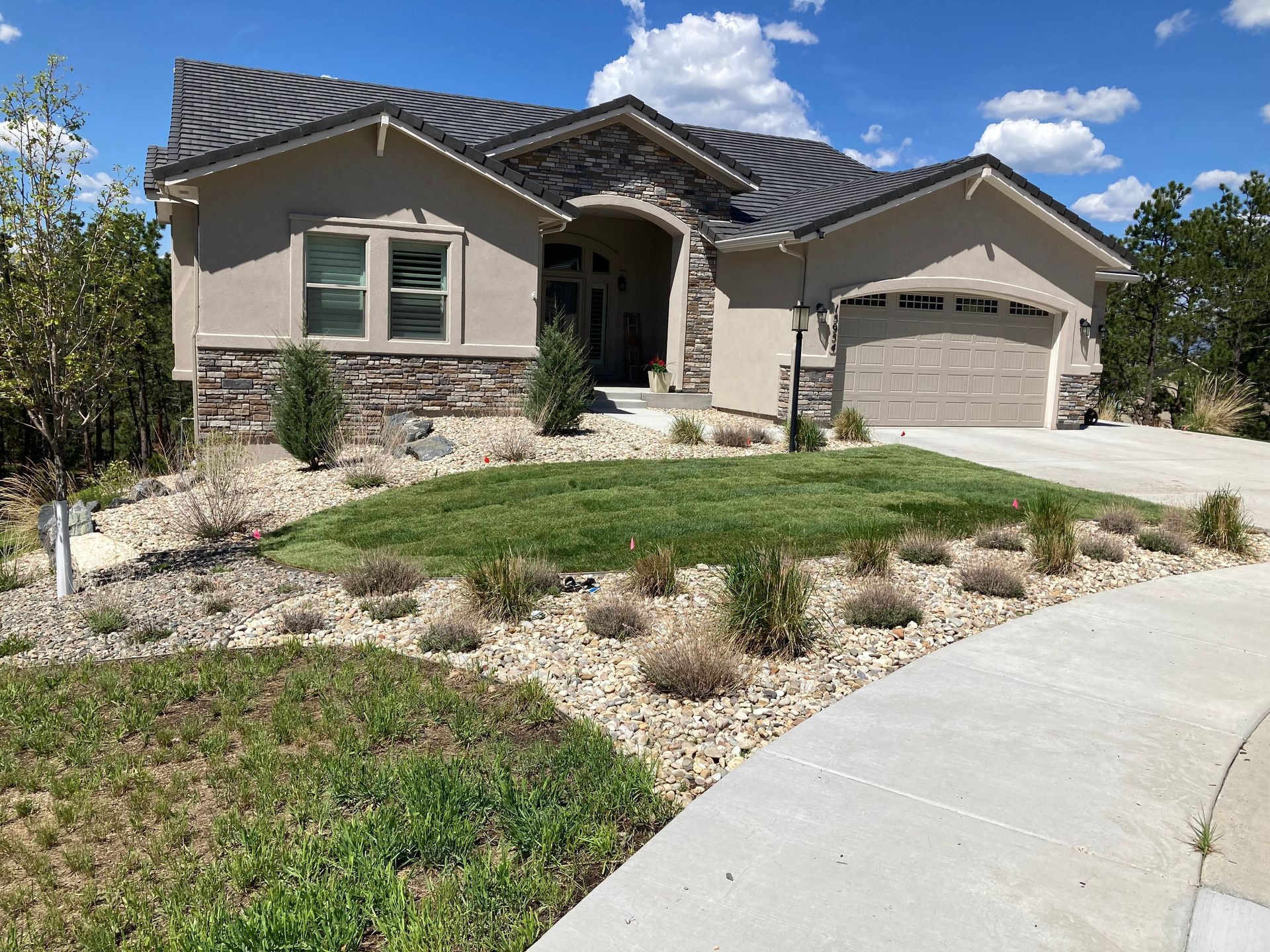
A property with sparse planting or poorly placed trees often lacks the layered structure that makes outdoor spaces feel intentional and complete. Refresh Landscapes handles tree and shrub planting to introduce shade, create privacy screening, frame views, and add seasonal color or texture where the landscape currently feels empty or unbalanced. Placement decisions account for available sunlight, mature plant size, proximity to structures and utilities, and how each selection will interact with surrounding beds, hardscape, and turf areas as growth occurs.
The planting process involves selecting species suited to Colorado growing conditions, preparing the planting hole to support root establishment, and positioning each tree or shrub where it will perform its intended function without crowding other features. Recommendations consider growth rate, seasonal characteristics, and how the plant contributes to the overall landscape design.
Request a site-specific estimate to identify the best locations and species for the functions you want to achieve.
How Planting Decisions Affect Long-Term Results
Proper planting starts with evaluating soil conditions, drainage patterns, and sun exposure at each proposed location. Trees planted too close to structures can interfere with rooflines or foundations as they mature, while shrubs placed without regard for mature width often require aggressive pruning or removal within a few years.
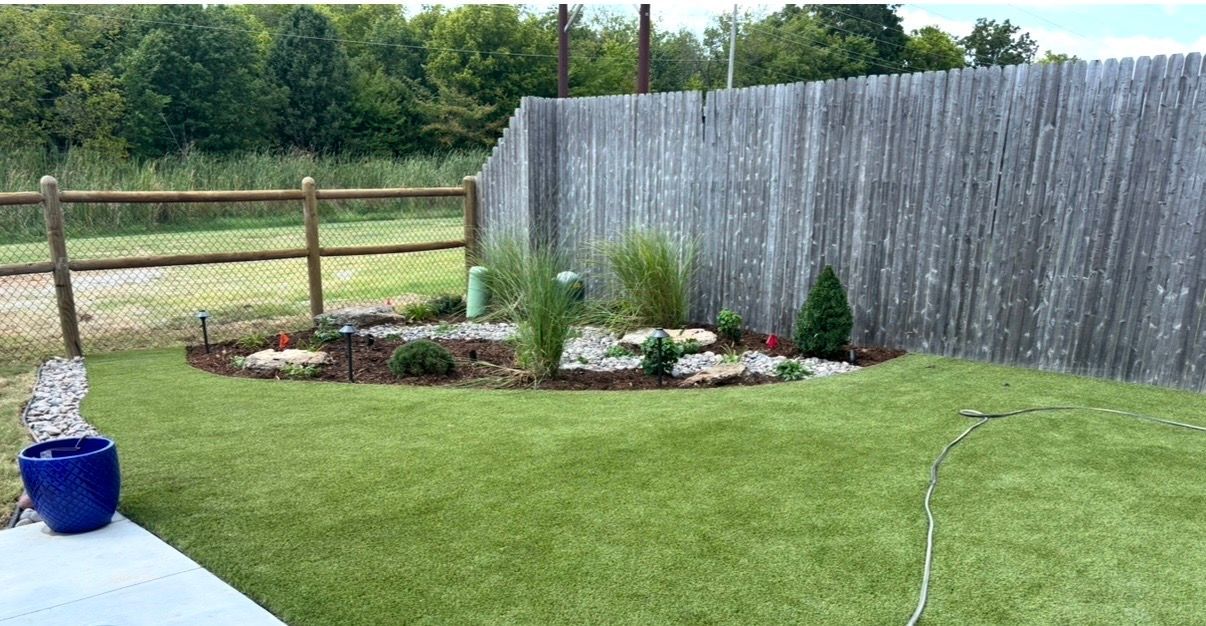
After planting, you'll notice new vertical elements that define space and create focal points, screening that blocks unwanted views or buffers noise, and shade coverage that reduces afternoon heat on patios or south-facing walls. Properly placed trees and shrubs also create visual transitions between different landscape zones, making the property feel more layered and less flat.
Planting can be combined with bed refreshes, decorative rock installation, or mulch application to integrate new plants into the existing landscape design. Some projects involve grouping multiple shrubs to create mass plantings, while others focus on single specimen trees that serve as anchor points for surrounding beds or turf areas.

Common Questions About Planting Projects
Property owners typically want to understand species selection, placement strategy, and how new plants will establish in Colorado's climate. These answers cover the most frequent questions about tree and shrub planting.
What determines which species are recommended for a specific location?
Sunlight duration, wind exposure, soil drainage, irrigation availability, and the plant's intended function all influence which trees or shrubs will perform well and require manageable maintenance over time.
How much space should be left between new plantings and existing features?
Spacing depends on the mature width and height of each plant, but trees are typically placed at least fifteen feet from structures and utility lines, while shrubs require spacing that prevents overcrowding as they fill out.
When should planting happen to support establishment in Colorado Springs?
Spring and fall offer the best planting windows, as moderate temperatures and seasonal moisture patterns allow roots to develop before facing summer heat stress or winter dormancy.
What care do newly planted trees and shrubs require?
Initial watering schedules depend on species, soil type, and weather conditions, but consistent moisture during the first growing season supports root development and reduces transplant shock.
Can planting be coordinated with other landscape updates?
Combining planting with bed design, rock installation, or mulch application creates a cohesive finished appearance and ensures new plants integrate visually with surrounding landscape elements.
Refresh Landscapes matches plant selections to the specific growing conditions and design goals present on your property. Contact the team to discuss intended functions, preferred species, and available space during a detailed site evaluation.